
Top Benefits of Engineered Hardwood Flooring in Los Angeles
- Jan 21, 2023
- 8 min read
Updated: Aug 23, 2024
Are you considering a flooring upgrade for your Los Angeles home? Engineered hardwood flooring has gained popularity as a top choice for homeowners seeking a perfect blend of elegance and practicality. This innovative flooring option offers the beauty of real wood with enhanced stability and durability, making it ideal for the unique climate of Southern California.
You'll find that engineered hardwood flooring in Los Angeles has much to offer. From its ability to withstand temperature fluctuations to its wide range of styles and finishes, this flooring type provides numerous benefits. In this article, we'll explore the advantages of engineered hardwood, including its stability in the Los Angeles climate, versatile installation options, and the variety of designs available to suit your taste. We'll also touch on the cost-effectiveness of engineered flooring compared to solid hardwood, helping you make an informed decision for your home improvement project.
Durability and Stability in Los Angeles Climate

When you're considering flooring options for your Los Angeles home, engineered hardwood flooring stands out as an excellent choice. Its unique construction and properties make it particularly well-suited to the city's climate and environmental conditions.
Resistance to Moisture and Humidity
Los Angeles experiences fluctuations in humidity levels throughout the year, which can have an impact on your flooring. Engineered hardwood flooring has an advantage in this regard. Its construction, featuring multiple layers with a hardwood veneer on top, gives it enhanced stability in varying moisture conditions.
You'll find that engineered hardwood is less prone to warping or cupping compared to solid hardwood. This is due to its layered structure, which helps to distribute moisture more evenly. Some engineered hardwoods even come with waterproof technology, making them an ideal choice for areas that might be exposed to occasional moisture.
Less Expansion and Contraction
One of the key benefits of engineered hardwood flooring is its reduced tendency to expand and contract with changes in temperature and humidity. This characteristic is particularly valuable in Los Angeles, where seasonal changes can affect indoor environments.
Solid hardwood floors, in contrast, are more susceptible to these changes. They may develop gaps between boards during dry periods or swell during humid conditions. Engineered hardwood, however, maintains its shape and size more consistently, resulting in a more stable floor throughout the year.
It's worth noting that while engineered hardwood is more stable, it's not entirely immune to environmental changes. You may still notice some minor movement, especially in wider planks. However, this movement is typically less noticeable and less problematic than with solid hardwood floors.
Suitable for All Grade Levels
Another advantage of engineered hardwood flooring is its versatility in terms of installation location. Unlike solid hardwood, which is not recommended for below-grade installations, engineered hardwood can be installed at any grade level in your home.
This means you can enjoy the beauty of wood flooring in your basement or other below-grade areas without worrying about moisture-related issues. The layered construction of engineered hardwood makes it more resistant to the potential moisture problems that can occur in these spaces.
When choosing engineered hardwood for your Los Angeles home, consider the following options:
Oak: Known for its dense grain structure, oak offers good resistance to moisture changes and has been a popular choice for centuries.
Bamboo: While technically a grass, bamboo flooring offers hardwood-like durability with natural moisture resistance.
Teak: This luxury option is naturally infused with oils that repel water, making it highly resistant to humidity and decay.
Maple: With its tight, uniform grain, maple is resistant to moisture penetration and offers a smooth, consistent appearance.
To ensure the best performance of your engineered hardwood flooring:
Allow the flooring to acclimate to your home's environment before installation.
Maintain consistent indoor humidity levels using humidifiers or dehumidifiers as needed.
Clean up any spills promptly to prevent moisture from seeping into the flooring.
Use appropriate cleaning methods, avoiding excessive water use during maintenance.
By choosing engineered hardwood flooring, you're opting for a durable, stable, and versatile flooring solution that's well-suited to the Los Angeles climate. Its ability to withstand moisture fluctuations, resist expansion and contraction, and perform well at any grade level makes it an excellent investment for your home.
Versatile Installation Options
When you choose engineered hardwood flooring for your Los Angeles home, you'll have several installation options to suit your specific needs and preferences. These methods offer flexibility and allow you to adapt to various subfloor types and living spaces. Let's explore the three main installation techniques: floating, glue-down, and nail-down.
Floating Installation
Floating installation is a popular method for engineered hardwood flooring, especially for click-system floors. This technique involves laying the planks without directly attaching them to the subfloor. Instead, the planks interlock edge-to-edge, creating a surface that "floats" over the subfloor or underlayment.
Key benefits of floating installation include:
Easy installation and removal, making it DIY-friendly
Compatibility with underfloor heating systems
Ability to accommodate minor subfloor irregularities
Ideal for rentals, apartments, condos, offices, clinics, and stores
To install a floating floor, you'll need to prepare a flat surface, which could be concrete, plywood, linoleum, or tile. An underlayment of foam padding is typically taped down from wall to wall. Once the baseboards are installed, they help secure the floating floors from moving or disconnecting.
It's worth noting that floating floors may sometimes feel less solid underfoot and produce more noise when walked upon compared to other installation methods.
Glue-Down Method
The glue-down technique involves adhering each engineered hardwood plank directly to the subfloor using a specialized flooring adhesive. This method has an impact on the stability and security of your flooring.
Advantages of glue-down installation:
Provides a stable and secure fit
Reduces potential for squeaks and movement
Particularly suited for concrete subfloors where nailing isn't an option
Offers a more solid feel underfoot compared to floating installation
When opting for glue-down installation, keep in mind that it can be messier and more time-consuming than other methods. It requires careful preparation and cleanup, and the use of adhesives means there's less room for error during installation.
To ensure a successful glue-down installation:
Verify that the subfloor is dry (for concrete, allow at least 50 days of drying time)
In areas with high moisture levels, consider using a vapor lock glue
When installing over plywood, ensure the material is sufficiently dry
Nail-Down Installation
Nail-down installation is a traditional method where engineered hardwood planks are fastened to a wooden subfloor using nails or staples. This technique has its own set of advantages and considerations.
Benefits of nail-down installation:
Provides a solid feel underfoot
Ideal for wood subfloors
Generally quicker and less messy than glue-down installations
However, it's important to note that nail-down installation won't work for concrete subfloors and can be more challenging to execute with thinner wood products. Additionally, it's not recommended for all types of engineered hardwood floors, as the side tang might break, and the inside layers of plywood could chip, potentially causing squeaking sounds when stepped on.
When using the nail-down method:
Use a side nailer to secure most of the wood floor
Employ a face nailer on the first and last few rows where there isn't enough space for a side nailer
Each installation method has its own set of advantages and considerations. Your choice will depend on factors such as your subfloor type, the specific engineered hardwood product you've selected, and your personal preferences. By understanding these options, you can make an informed decision that best suits your Los Angeles home and lifestyle.
Wide Range of Styles and Finishes

When you're considering engineered hardwood flooring for your Los Angeles home, you'll be pleased to discover the vast array of styles and finishes available. This variety allows you to find the perfect match for your home's decor and your personal taste. Let's explore the options you have at your disposal.
Various Wood Species
Engineered hardwood flooring offers you a wide selection of wood species to choose from. Each type of wood has its unique characteristics, grain patterns, and colors, giving you the flexibility to create the look you desire. Some popular options include:
Oak (White and Red): Known for its durability and classic appearance
Maple: Offers a smooth, uniform grain and light color
Hickory: Provides a rustic look with its distinctive grain patterns
Walnut: Delivers a rich, dark color for a luxurious feel
Cherry: Offers a warm, reddish-brown hue that deepens over time
Exotic woods: Include options like Brazilian cherry, mahogany, and teak for a unique and luxurious appearance
These wood species allow you to select the perfect tone and texture to complement your home's style. Whether you prefer a traditional look or something more contemporary, you'll find a wood species that suits your needs.
Plank Widths and Lengths
Engineered hardwood flooring comes in a variety of plank widths and lengths, giving you the ability to customize the look of your floor. The options typically include:
Strip flooring: Narrow planks measuring 1½, 2, or 2¼ inches wide
Standard plank flooring: Widths of 3, 3¼, 4, 4¼, and 5¼ inches
Wide plank flooring: Up to 7 inches wide
Custom plank flooring: Widths of 8, 10, and 12 inches
Mixed width flooring: Combines different plank widths for a unique look
The choice of plank width has an impact on the visual effect of your room. Narrower planks can make a space feel larger, while wider planks can create a sense of openness and grandeur. You can also consider long-length planks to enhance the feeling of spaciousness in your room.
Pre-Finished Options
Many engineered hardwood floors come pre-finished, which means the stain and finish are applied at the factory. This has several advantages:
Time-saving: Pre-finished floors can be installed quickly, reducing the overall installation time
Consistency: Factory-applied finishes ensure a uniform look across all planks
Durability: Pre-finished floors often have multiple layers of finish, making them more resistant to wear
When selecting a pre-finished engineered hardwood floor, you have various finish options to consider:
Gloss level: Choose from low, medium, or high gloss to suit your preference
Texture: Options include smooth, hand-scraped, or distressed finishes
Color: A wide range of stains and colors are available to match your decor
Some popular styles and finishes include:
Traditional smooth finish with a medium gloss
Hand-scraped texture for a rustic, aged look
Distressed finish for a weathered, antique appearance
Specialty finishes like wire-brushed or cerused (limed) wood
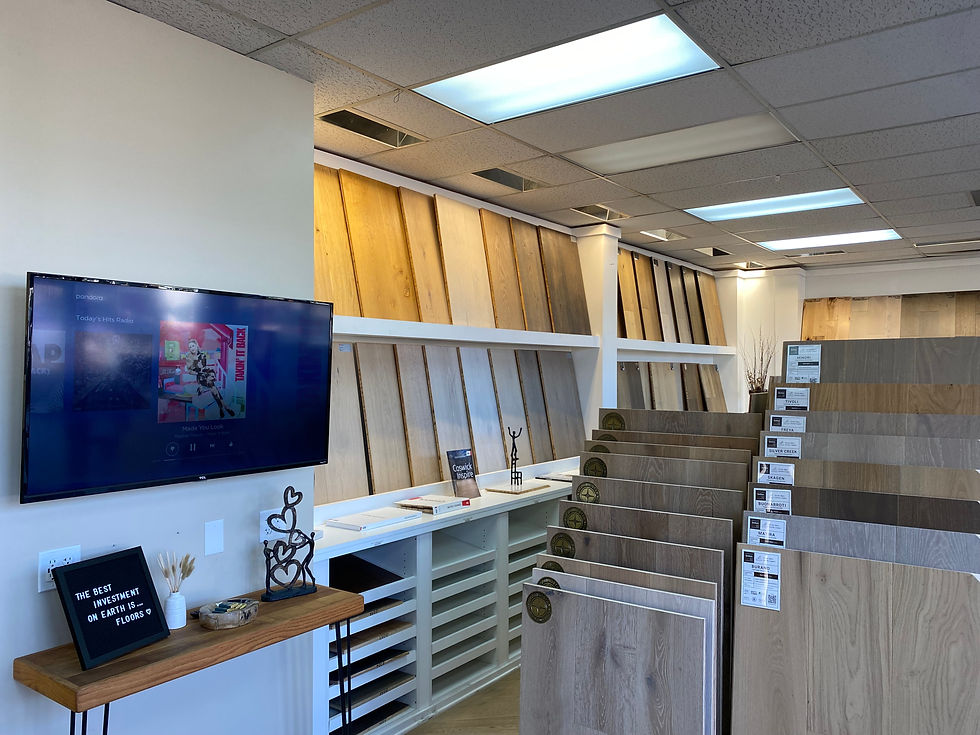
It's important to note that while online pictures can give you an idea of how a floor looks, it's better to visit a physical store to get a firsthand look at the appearance and finish of the flooring you're considering. This allows you to see and feel the texture, color, and overall quality of the product.
With such a wide range of styles and finishes available, you're sure to find an engineered hardwood flooring option that perfectly suits your Los Angeles home. Whether you're looking for a classic, timeless look or something more modern and unique, the versatility of engineered hardwood allows you to create the perfect foundation for your living space.
Conclusion
Engineered hardwood flooring offers a wealth of benefits for Los Angeles homeowners. Its durability in varying climates, versatile installation options, and wide range of styles make it a top choice for those looking to upgrade their floors. The ability to withstand moisture fluctuations and resist expansion has a significant impact on its longevity, especially in Southern California's unique environment.

To wrap up, engineered hardwood provides a perfect blend of elegance and practicality. Its cost-effectiveness compared to solid hardwood, combined with its stability and diverse design options, makes it an excellent investment for any home improvement project. Whether you're after a classic look or something more modern, engineered hardwood flooring gives you the flexibility to create the perfect foundation for your living space.
FAQs
What are the primary advantages of engineered wood flooring?
Engineered wood flooring offers several benefits including its durability, cost-effectiveness, ease of installation, long lifespan, low maintenance requirements, and a wide variety of choices available.
How does engineered hardwood flooring compare to traditional hardwood flooring?
Engineered hardwood flooring is more affordable, flexible, and easier to install compared to traditional hardwood. While traditional hardwood may increase a property's resale value more significantly, it is also more susceptible to changes in temperature and humidity.
What are the advantages and disadvantages of engineered hardwood flooring?
Advantages of engineered hardwood include its lower cost relative to solid wood, resistance to temperature and moisture changes, and being more environmentally friendly. However, it has limited resurfacing potential, requires a high level of maintenance, and can be of lower quality compared to solid hardwood.
Why should someone opt for engineered flooring?
Engineered flooring is a sustainable choice, primarily made from plantation-grown trees, which are more rapidly renewable than slow-growing hardwood trees. Additionally, it tends to be more cost-effective than solid hardwood.


